
Urban Odorization: Why City Projects Require a Different Standard
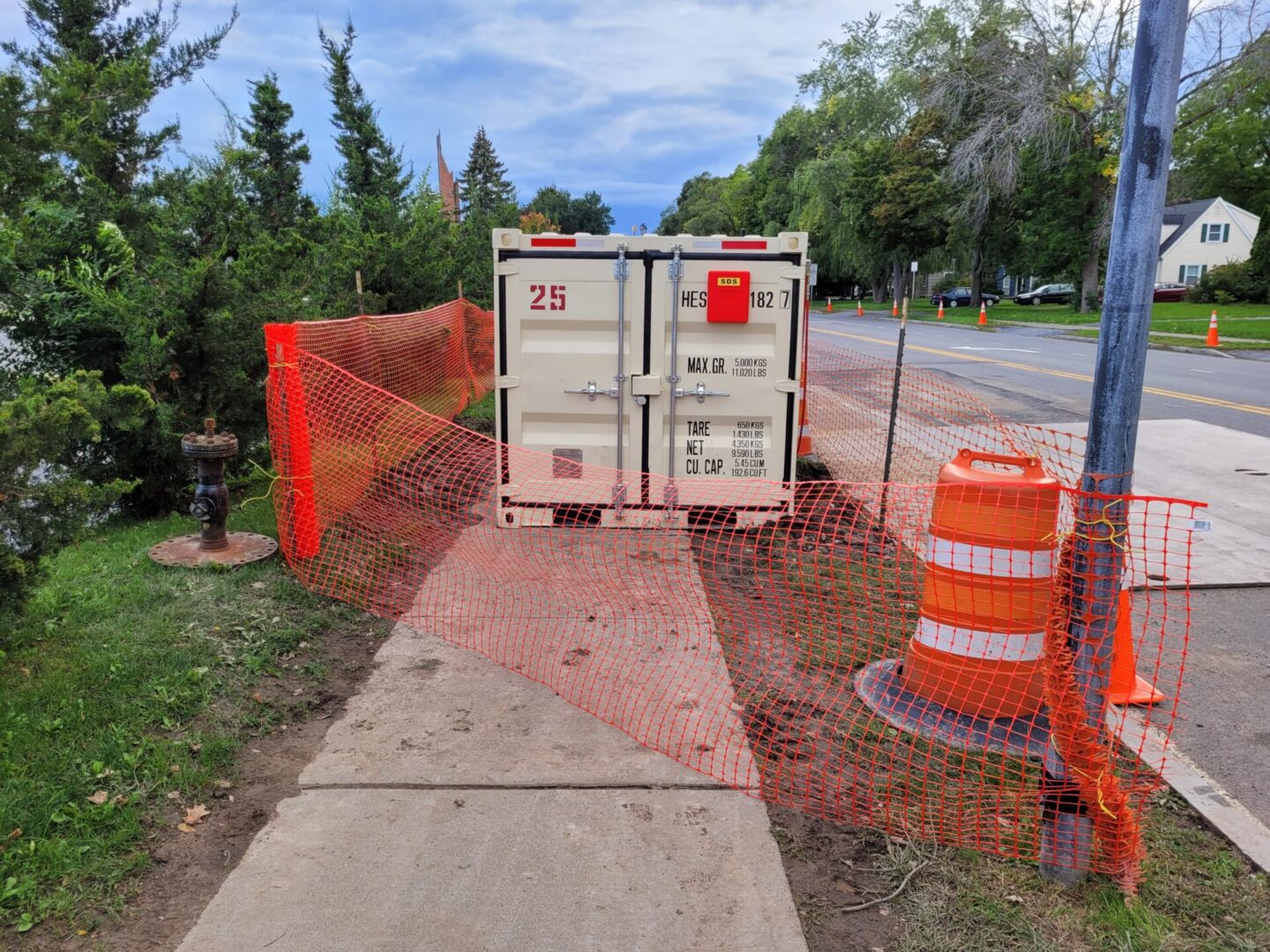
Odorization projects look very different in the middle of a city than they do in a rural field. In a neighborhood, every sound, every smell, and every piece of equipment on site is noticed immediately. That attention means mistakes carry higher stakes. A single leak or noisy odorizer can lead to complaints, media coverage, or even job shutdowns.
This is why city projects cannot be treated the same as rural ones. Urban odorization requires a higher standard.
The Risks of Business-as-Usual in Cities
In dense areas, the margin for error decreases. Odorizers that vent during normal operation can set off alarms across multiple blocks. Loud equipment disrupts homes, hospitals, and schools. Untrained crews create uncertainty the public picks up on quickly.
We have seen jobs delayed and crews removed from projects because their systems were not designed for an urban environment. Once neighbors call regulators or city officials, the entire project can become delayed, and in some cases cancelled completely if the service provider is creating undue risk.
Our Urban-First Design Philosophy
At Pipeline Conditioning, we plan for the toughest environments first. That means every odorizer and every process is designed to operate cleanly and quietly, even in the middle of a city.
- Our odorizers are non-venting, odorless, and self-contained, preventing odorant from escaping into surrounding neighborhoods.
- Our systems are engineered for quiet operation, so crews never need to shout over machinery, and nearby communities are not disturbed.
- Every project is led by a degreed engineer with task-specific OQs, ensuring safety and precision are never compromised.
By building for the city first, we deliver peace of mind everywhere else.
The Pipeline Conditioning Standard
Urban odorization is not just about moving product into a pipeline, it is about protecting public trust while doing it. The Pipeline Conditioning standard is clear: self-contained odorizers, quiet systems, and qualified engineers on every project.
That is how we ensure operators never face the cost of odorant release, a noise complaint, or a job shutdown in the city. This is the Pipeline Conditioning standard.
Urban Odorization: Why City Projects Require a Different Standard
Odorization projects look very different in the middle of a city than they do in a rural field. In a neighborhood, every sound, every smell,…
Odorant Spills: Small Mistakes with Big Consequences
We often hear people dismiss odorant releases with, “It was just a little spill.” The truth is, there is no such thing as a small…
Why “Good Enough” Odorization is Never Good Enough
We hear it all the time in this industry. “That’s good enough.” It usually comes up when someone wants to move faster, save money, or…
What to Do If You Smell Gas: Recognizing and Responding to Leaks
Natural gas is one of the major forms of energy used by humans today, but it is also the one most people fear due to…
Myths and Truths About Odorization
Odorization is one of the most important safeguards in the natural gas industry, but it is also one of the most misunderstood. We hear the…
From Pipeline to Stove: The Journey of Safe Gas
Every October, Natural Gas Week gives us a chance to step back and appreciate one of the most important energy sources in our daily lives.…

The Real Cost of False Leak Calls
When it comes to odorization, one of the most common mistakes we see is over-odorization. Some contractors think adding a little extra odorant “just to…
The Benefits of Partnering with a Specialized Odorization Service Provider
Expert Solutions for Safety, Compliance, and Operational Efficiency When trying to ensure the safety of natural gas pipelines, odorization is the topmost priority. The addition…

Job Safety Best Practices: Staying Safe in Extreme Heat
As temperatures climb, so does the risk of heat-related illness on pipeline projects. Whether you’re operating a valve trailer in West Texas or overseeing a…

The Importance of Pipeline Pickling for Residential Buildings: Keeping Urban Living Safe
Protecting High-Rise Residents with Proper Pipeline Conditioning and Odorization From the luxury apartments of Manhattan to the sleek towers of Los Angeles and Chicago, high-rise…