Most people know exactly what a natural gas leak smells like. That distinct rotten egg smell is instantly recognizable, and that’s by design.
Natural gas itself has no smell. If it were released into the atmosphere without an odorant added, a leak could go completely unnoticed. That’s why utility companies inject odorants—commonly referred to as mercaptans—into natural gas systems.
While the public rarely thinks about odorization, utility operators know it plays a critical role in pipeline safety and regulatory compliance. In many ways, it’s one of the most important safeguards built into a gas distribution system.
What Is Mercaptan?
Mercaptan is a foul-smelling liquid specifically used for its detectability. Mercaptan has an extremely strong odor, even at very low concentrations.
The purpose is simple: make a gas leak noticeable long before it becomes dangerous.
Federal regulations require natural gas distributed to customers to be odorized so that it is readily detectable by a person with a normal sense of smell at concentrations well below the lower explosive limit. Without odorization, leak detection would rely entirely on monitoring equipment and chance observation.
How Did Mercaptan Become the Industry Standard?
The widespread use of natural gas odorants can be traced back to a tragedy that forever changed the industry.
In March of 1937, an undetected natural gas leak led to an explosion at the New London School in Texas. Nearly 300 students and teachers lost their lives. Because the gas had no odor, there was no warning before the explosion occurred.
The disaster prompted immediate changes in natural gas safety practices. Within a short period of time, odorization requirements were established, and utilities began incorporating odorant injection systems into their operations.
Nearly ninety years later, odorization remains one of the most effective public safety measures used throughout the natural gas industry.
What Is Mercaptan Made From?
Mercaptan consist of organic compounds made from carbon, hydrogen, and sulfur.
How Is Mercaptan Used in Pipelines?
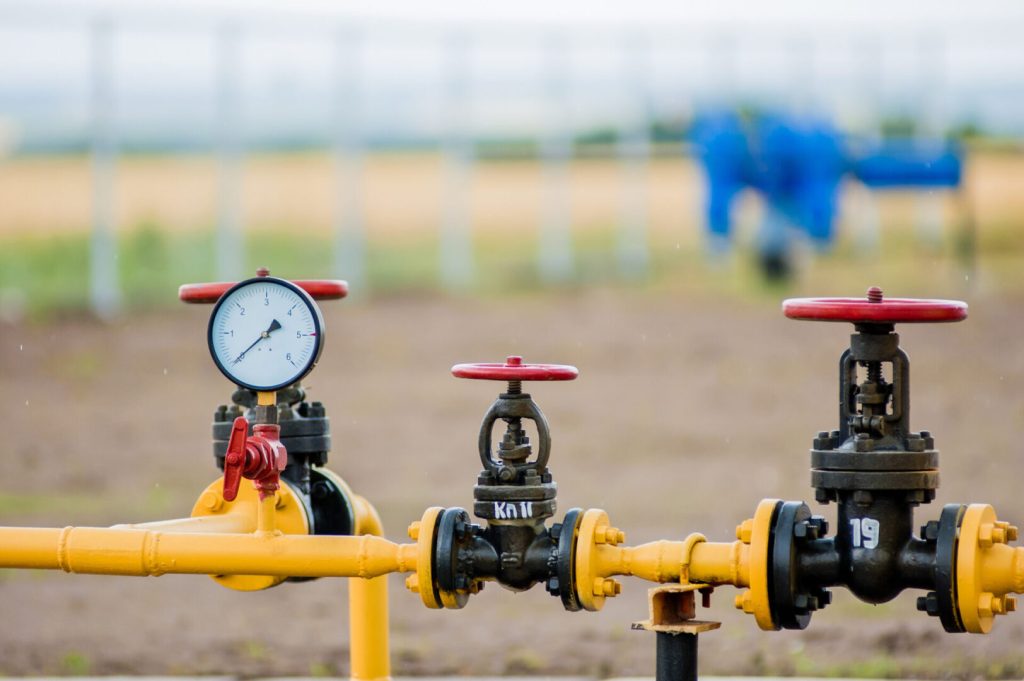
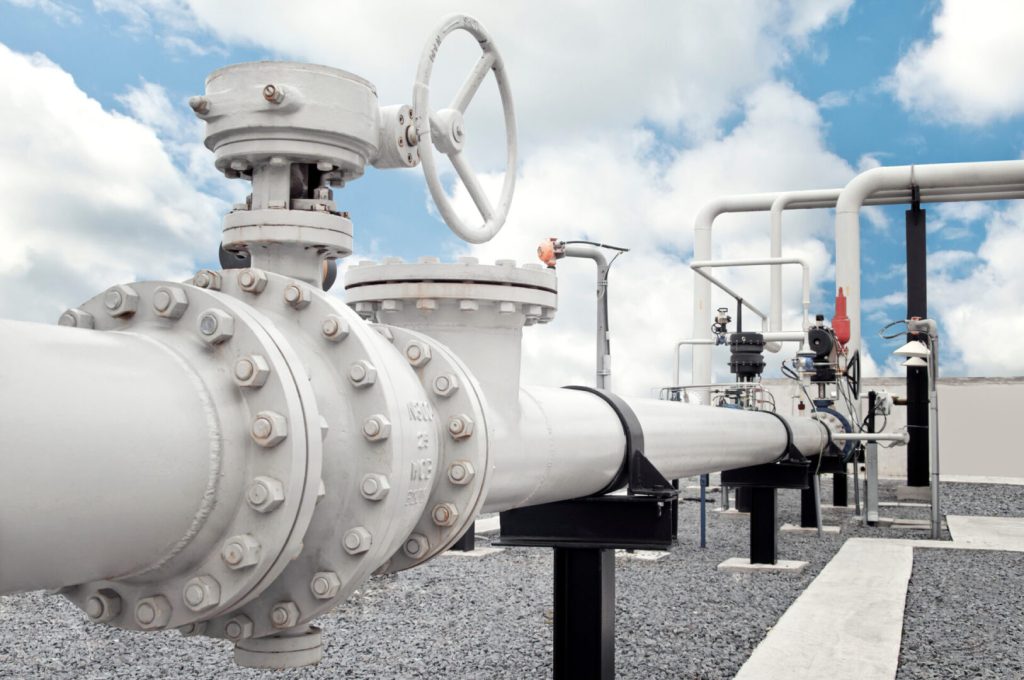
Mercaptan is introduced into natural gas systems through odorization equipment designed to inject precise amounts of odorant into the gas stream. The amount injected is carefully controlled to ensure the gas is readily detectable by smell while meeting regulatory requirements.
This process is known as pipeline pickling, or pipeline conditioning.
Why Experience Matters
Odorization is often viewed as a routine utility function, but maintaining a compliant odorization program involves much more than keeping a tank full.
Successful programs require an understanding of odorant chemistry, injection equipment, pipeline conditions, system demand, regulatory requirements, and odor fade phenomena. Even small issues can lead to customer complaints, compliance challenges, or questions about system performance.
That’s why many operators rely on experienced odorization specialists to support system commissioning, maintenance, audits, troubleshooting, and pipeline conditioning projects.
The goal isn’t simply to inject odorant. The goal is to ensure that the odorant performs as intended when and where it matters most.
Final Thoughts
Mercaptan may represent only a tiny fraction of the gas flowing through a pipeline, but its importance cannot be overstated.
Every day, odorization helps protect utility employees, first responders, customers, and entire communities. It’s one of the most effective safety tools our industry has ever adopted.
When odorization systems are properly designed, maintained, and monitored, they provide a reliable warning that can prevent accidents before they occur. That’s why handling odorants—and maintaining the systems that deliver them—should always be entrusted to trained professionals with the experience and expertise required to do the job safely.
Need Support with Your Odorization Project?
Pipeline Conditioning brings decades of hands-on experience in temporary odorization, pipeline pickling, combustion solutions, decommissioning, and consulting services.
Contact Pipeline Conditioning to discuss your odorization challenges and how we can help keep your system operating safely, reliably, and in compliance.