
Smells Like Trouble: Why Odorant Detection Shouldn’t Start with Your Nose
For too long, people in our industry have leaned on the human nose as the first line of defense when it comes to odorant detection. If you can smell it, the system must be working. That might sound simple, but it is also one of the most unreliable ways to measure safety.
Why We Don’t Rely on a Sniff Test
Odorant is introduced to natural gas so leaks can be caught quickly, but relying on smell alone is risky. Here is what we see in the field:
- Not everyone smells the same. Age, health, gender, and even habits like smoking can affect people’s sense of smell.
- Conditions change the picture. Wind, heat, and humidity can make odorant seem stronger or weaker than it really is.
- The nose gets tired. After a few minutes, most people stop noticing an odor even if it is still present.
We have seen time and again how this leads to blind spots. A crew member might sign off thinking everything is fine when in reality the system is out of compliance.
How We Handle It at Pipeline Conditioning
We do not start with a sniff. We start with data. Our team uses calibrated analyzers to verify odorant levels before anyone even thinks about smell. Instruments do not guess. They give us hard numbers that prove we are within compliance and that the public is protected.
This approach gives our clients more than peace of mind. It gives them clear records for regulators and documented proof that their system is operating safely. This is the standard we hold ourselves to on every job.
What Happens Without Data
Leaning on smell checks alone, without verified data can lead to:
- Citations when lines are later checked and are not compliant.
- Duplication of work when lines need to be re-conditioned resulting in additional investment.
- Unnecessary safety risks to the public.
The Standard We Believe In
Our view is simple. The nose should never be the first line of defense. It should only confirm what our instruments already proved.
This is why we do what we do at Pipeline Conditioning. Safety cannot depend on chance, and compliance should never come down to someone’s opinion. We make sure the data speaks first, and we stand behind it.
Odorant Spills: Small Mistakes with Big Consequences
We often hear people dismiss odorant releases with, “It was just a little spill.” The truth is, there is no such thing as a small…
Why “Good Enough” Odorization is Never Good Enough
We hear it all the time in this industry. “That’s good enough.” It usually comes up when someone wants to move faster, save money, or…
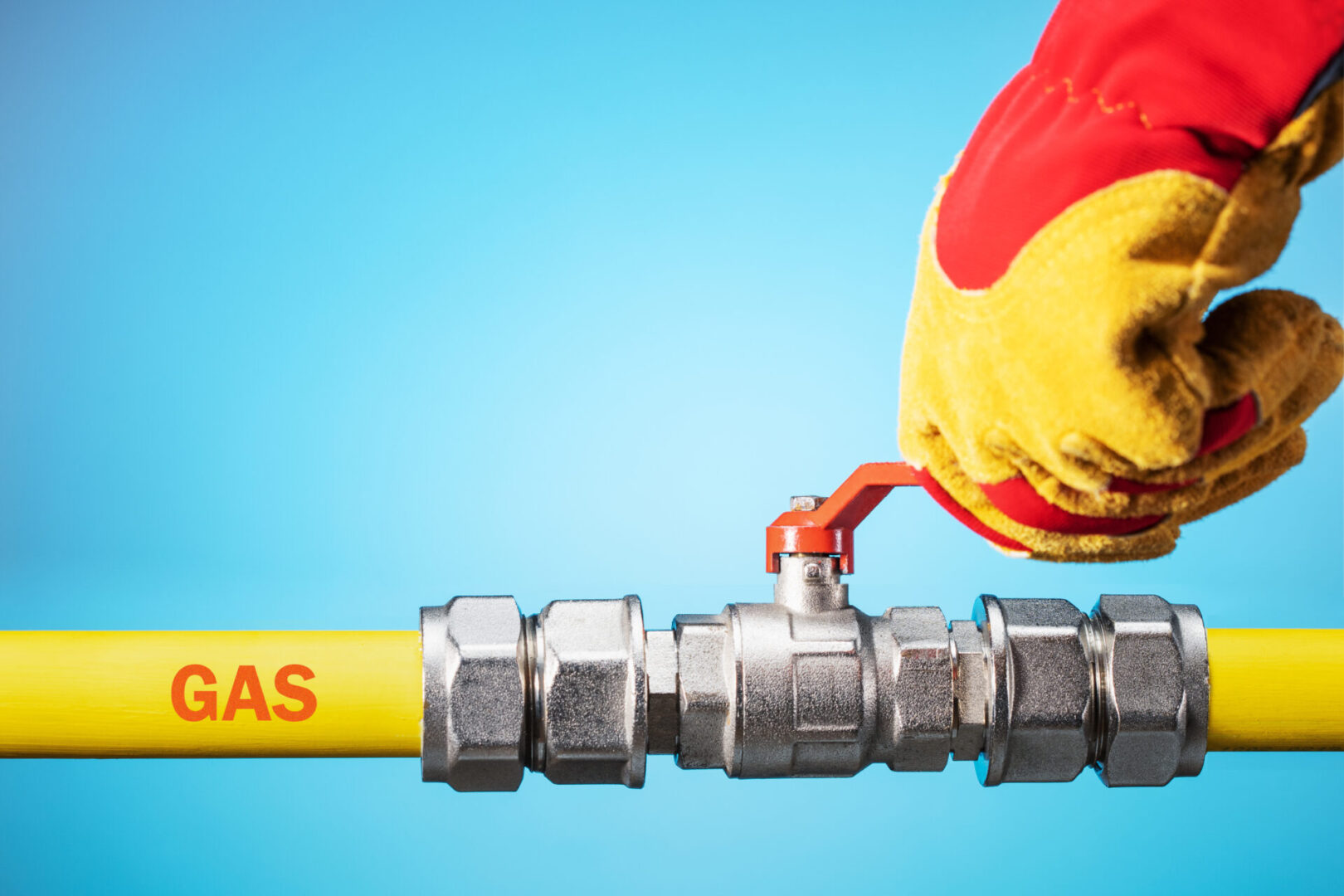
What to Do If You Smell Gas: Recognizing and Responding to Leaks
Natural gas is one of the major forms of energy used by humans today, but it is also the one most people fear due to…
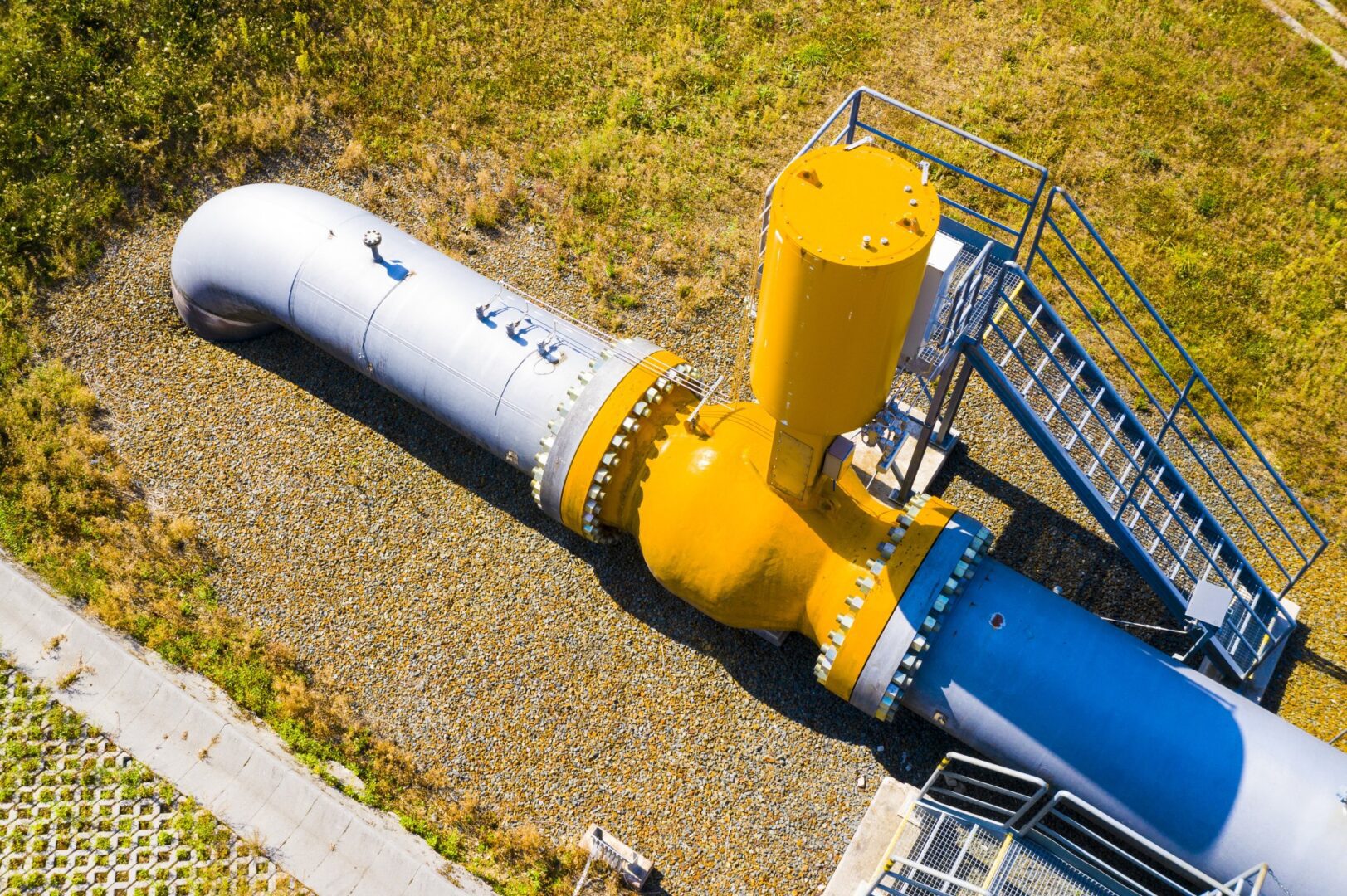
Myths and Truths About Odorization
Odorization is one of the most important safeguards in the natural gas industry, but it is also one of the most misunderstood. We hear the…
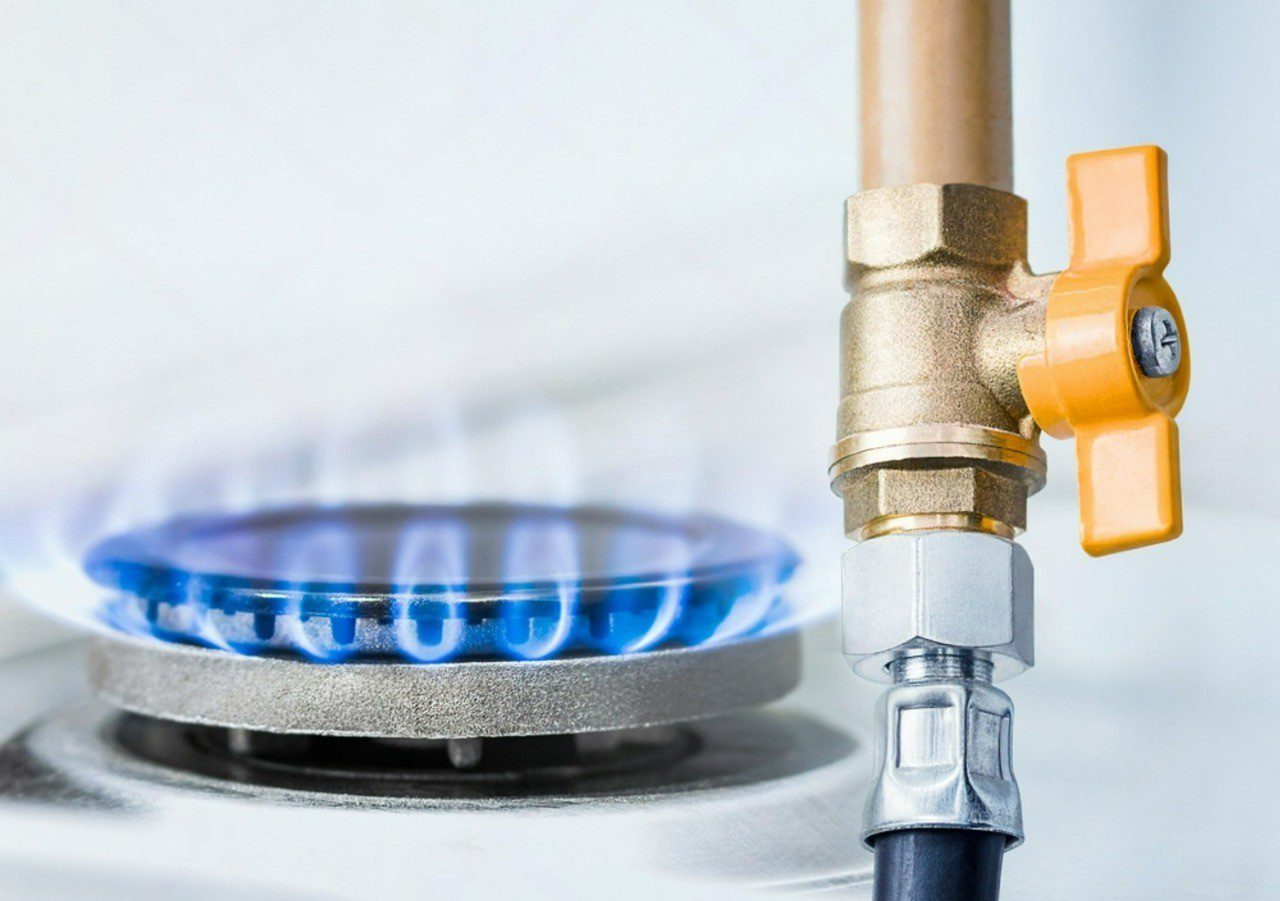
From Pipeline to Stove: The Journey of Safe Gas
Every October, Natural Gas Week gives us a chance to step back and appreciate one of the most important energy sources in our daily lives.…

The Real Cost of False Leak Calls
When it comes to odorization, one of the most common mistakes we see is over-odorization. Some contractors think adding a little extra odorant “just to…
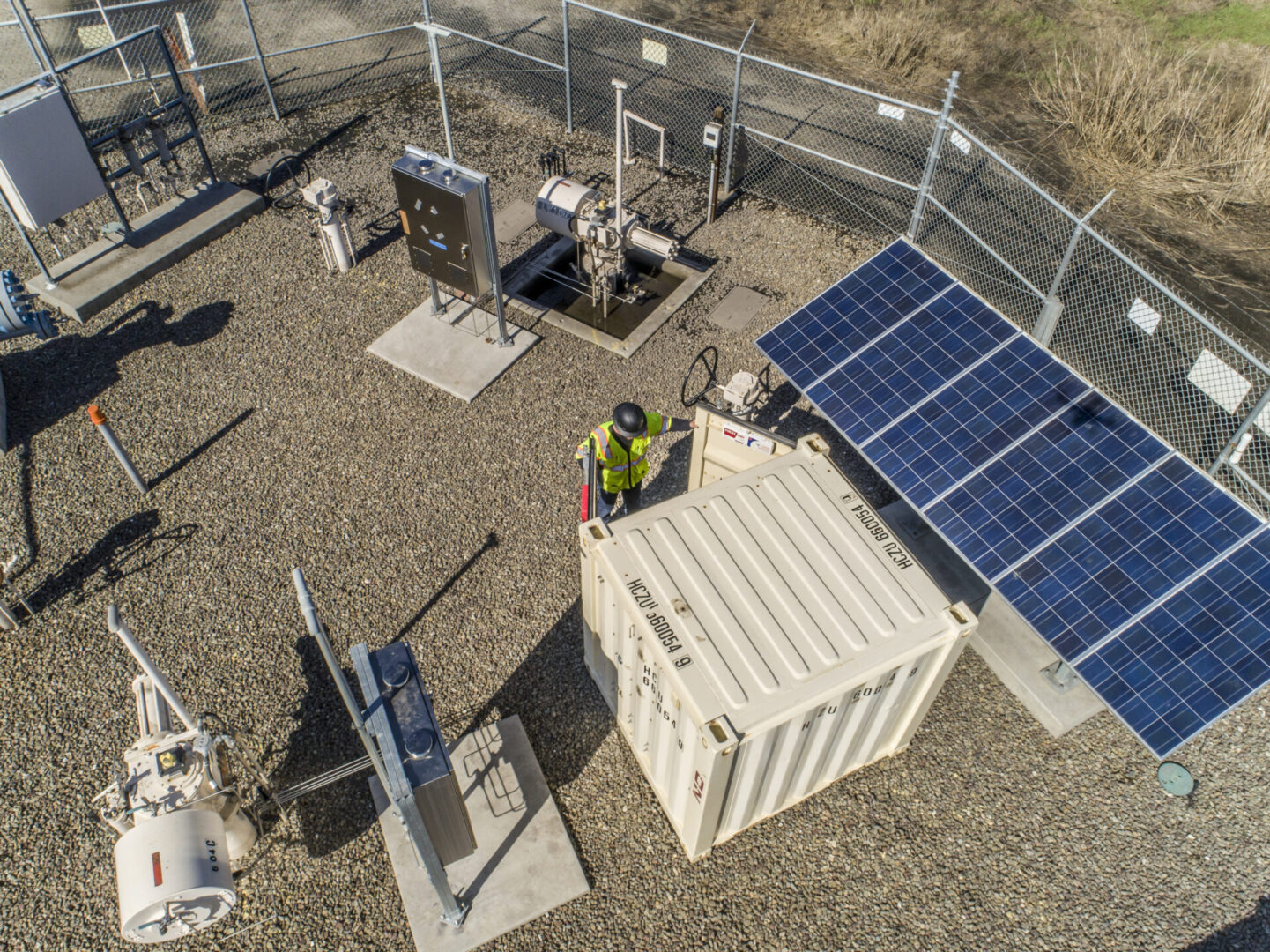
The Benefits of Partnering with a Specialized Odorization Service Provider
Expert Solutions for Safety, Compliance, and Operational Efficiency When trying to ensure the safety of natural gas pipelines, odorization is the topmost priority. The addition…

Job Safety Best Practices: Staying Safe in Extreme Heat
As temperatures climb, so does the risk of heat-related illness on pipeline projects. Whether you’re operating a valve trailer in West Texas or overseeing a…

The Importance of Pipeline Pickling for Residential Buildings: Keeping Urban Living Safe
Protecting High-Rise Residents with Proper Pipeline Conditioning and Odorization From the luxury apartments of Manhattan to the sleek towers of Los Angeles and Chicago, high-rise…

Steel vs. PE Pipes: Evaluating Costs and Material Selection for Natural Gas Pipelines
Selecting the appropriate material for natural gas pipelines is a critical decision that impacts both initial investment and long-term operational efficiency. Steel and polyethylene (PE)…