
Odorant Spills: Small Mistakes with Big Consequences
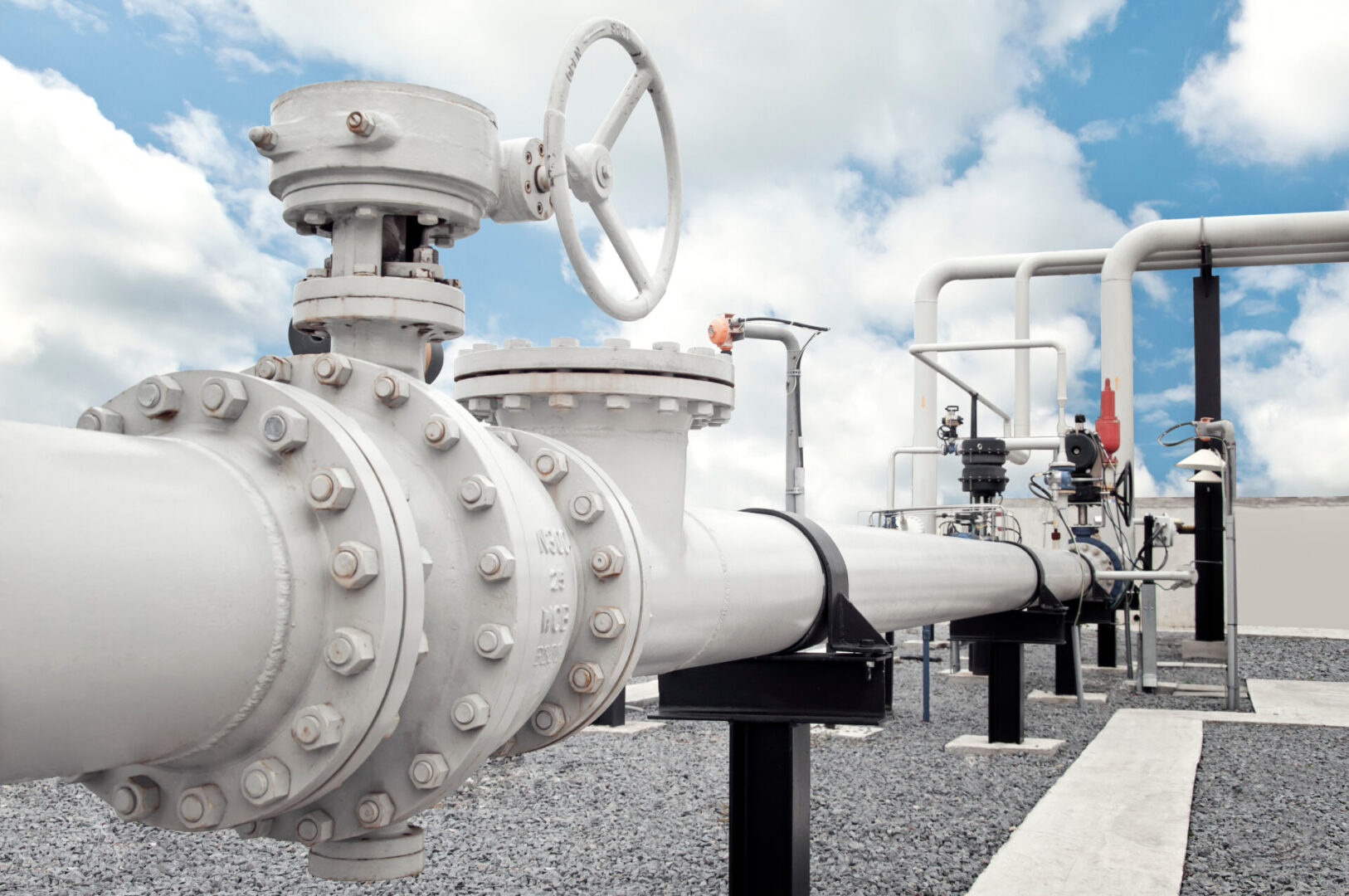
We often hear people dismiss odorant releases with, “It was just a little spill.” The truth is, there is no such thing as a small spill in the odorant world. A few ounces on the ground, or a drip during transfer, can travel far, last long, and cause problems that operators will be dealing with long after the job is done.
Why Small Spills Create Big Problems
Odorant is powerful by design, that is what makes it so effective in natural gas safety. It also means mistakes are magnified. We have seen odorant releases spark leak calls that flood utility hotlines, force evacuations of schools and offices, and draw media coverage that leave lasting reputational scars. Once the smell escapes, the situation is no longer under your control.
How Spills Usually Happen
Most odorant spills are not the result of catastrophic equipment failures. They come from everyday choices: a rushed transfer through the wrong fitting, an odorizer that vents during normal operation, or a crew that lacks the training to recognize the risks. These are not accidents of fate. They are preventable errors rooted in a “good enough” mindset.
Our Approach
At Pipeline Conditioning, we refuse to treat odorant spills as normal. We design our systems and processes to ensure spills don’t happen. That means odorizers that are fully self-contained, engineered transfer methods that eliminate leaks before they start, and degreed engineers on site who know exactly how to handle odorant safely. Prevention is built into every process and that is why our clients trust us with high-profile work in dense urban areas where mistakes are simply not tolerated.
The Pipeline Conditioning Standard
Odorant belongs in the system, not in the air and not in the news. That belief shapes everything we do at Pipeline Conditioning. We plan, we engineer, and we verify, to make sure spills do not happen. In odorization, there is no such thing as “just a little spill.”

Regulatory Compliance in Pipeline Odorization: What Operators Need to Know
Understanding and Meeting Regulatory Standards to Ensure Safe and Effective Pipeline Odorization In the natural gas industry, safety comes first, and odorization is a significant…
What Sets Pipeline Conditioning Apart from the Competition?
Industry-Leading Expertise, Precision Solutions, and an Unwavering Commitment to Safety and Excellence When it comes to odorization and pipeline safety, Pipeline Conditioning is unapologetically the…
Natural Gas Odorization 101: Understanding the Basics
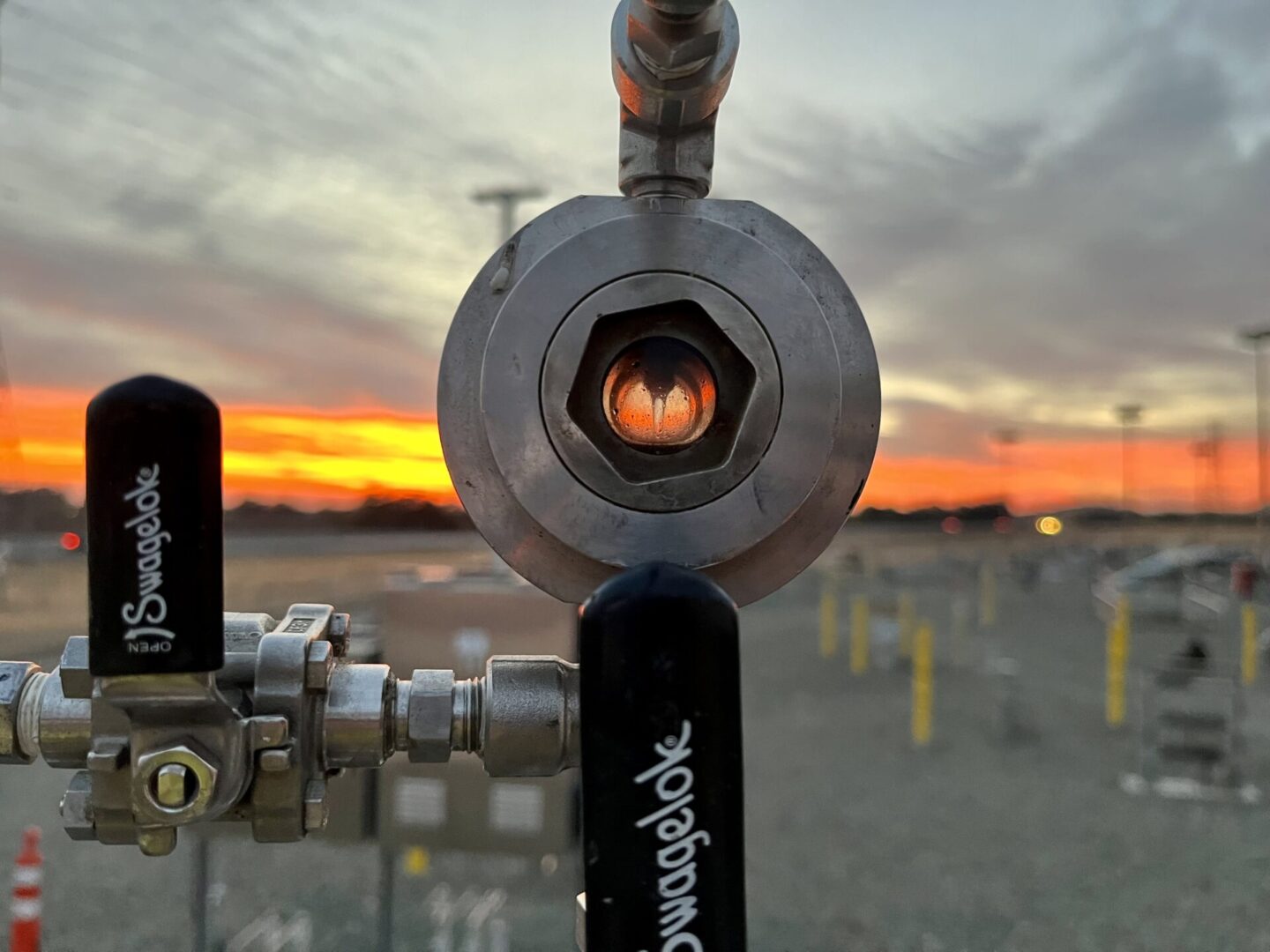
A beginner’s guide to understanding the essentials of pipeline odorization. Let’s face it: safety is paramount when thinking about natural gas. A great method to…
- « Previous
- 1
- 2
- 3