
Odorant Spills: Small Mistakes with Big Consequences
We often hear people dismiss odorant releases with, “It was just a little spill.” The truth is, there is no such thing as a small spill in the odorant world. A few ounces on the ground, or a drip during transfer, can travel far, last long, and cause problems that operators will be dealing with long after the job is done.
Why Small Spills Create Big Problems
Odorant is powerful by design, that is what makes it so effective in natural gas safety. It also means mistakes are magnified. We have seen odorant releases spark leak calls that flood utility hotlines, force evacuations of schools and offices, and draw media coverage that leave lasting reputational scars. Once the smell escapes, the situation is no longer under your control.
How Spills Usually Happen
Most odorant spills are not the result of catastrophic equipment failures. They come from everyday choices: a rushed transfer through the wrong fitting, an odorizer that vents during normal operation, or a crew that lacks the training to recognize the risks. These are not accidents of fate. They are preventable errors rooted in a “good enough” mindset.
Our Approach
At Pipeline Conditioning, we refuse to treat odorant spills as normal. We design our systems and processes to ensure spills don’t happen. That means odorizers that are fully self-contained, engineered transfer methods that eliminate leaks before they start, and degreed engineers on site who know exactly how to handle odorant safely. Prevention is built into every process and that is why our clients trust us with high-profile work in dense urban areas where mistakes are simply not tolerated.
The Pipeline Conditioning Standard
Odorant belongs in the system, not in the air and not in the news. That belief shapes everything we do at Pipeline Conditioning. We plan, we engineer, and we verify, to make sure spills do not happen. In odorization, there is no such thing as “just a little spill.”

From Frustration to Foundation: How One Engineer’s Mission Became Pipeline Conditioning
From Frustration to Foundation: How One Engineer’s Mission Became Pipeline Conditioning In an industry where too many things are done out of habit, Pipeline Conditioning…
Temporary Odorization and Why Doing It Yourself Might Just Be Costly
The Hidden Costs of DIY Odorization: Why Expert Solutions Save Time, Money, and Risk Quick problem-solving is everything in the natural gas world, especially when…
Decommissioning an Odorization Station: Best Practices for a Smooth Transition
Ensuring Safety and Efficiency When Retiring Critical Infrastructure Odorization stations play a crucial role in the safety of natural gas by adding an odorant that…
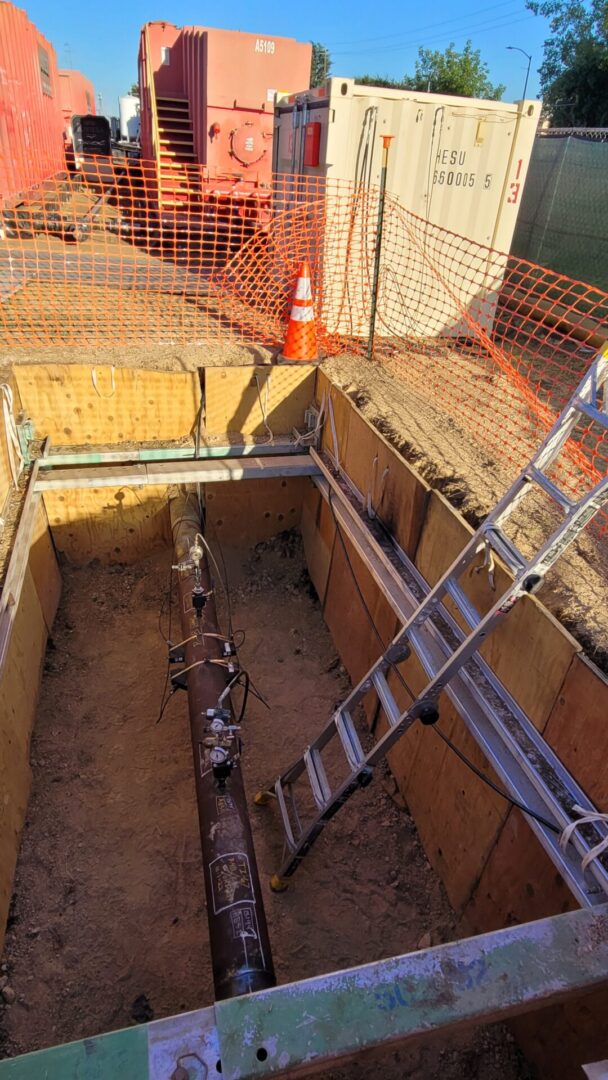
Pipeline Conditioning (Pickling) for New Pipeline Construction: Why It’s Essential
Ensuring Safety, Efficiency, and Compliance from Day One The installation of a new pipeline for natural gas needs time, and careful planning, and not to…
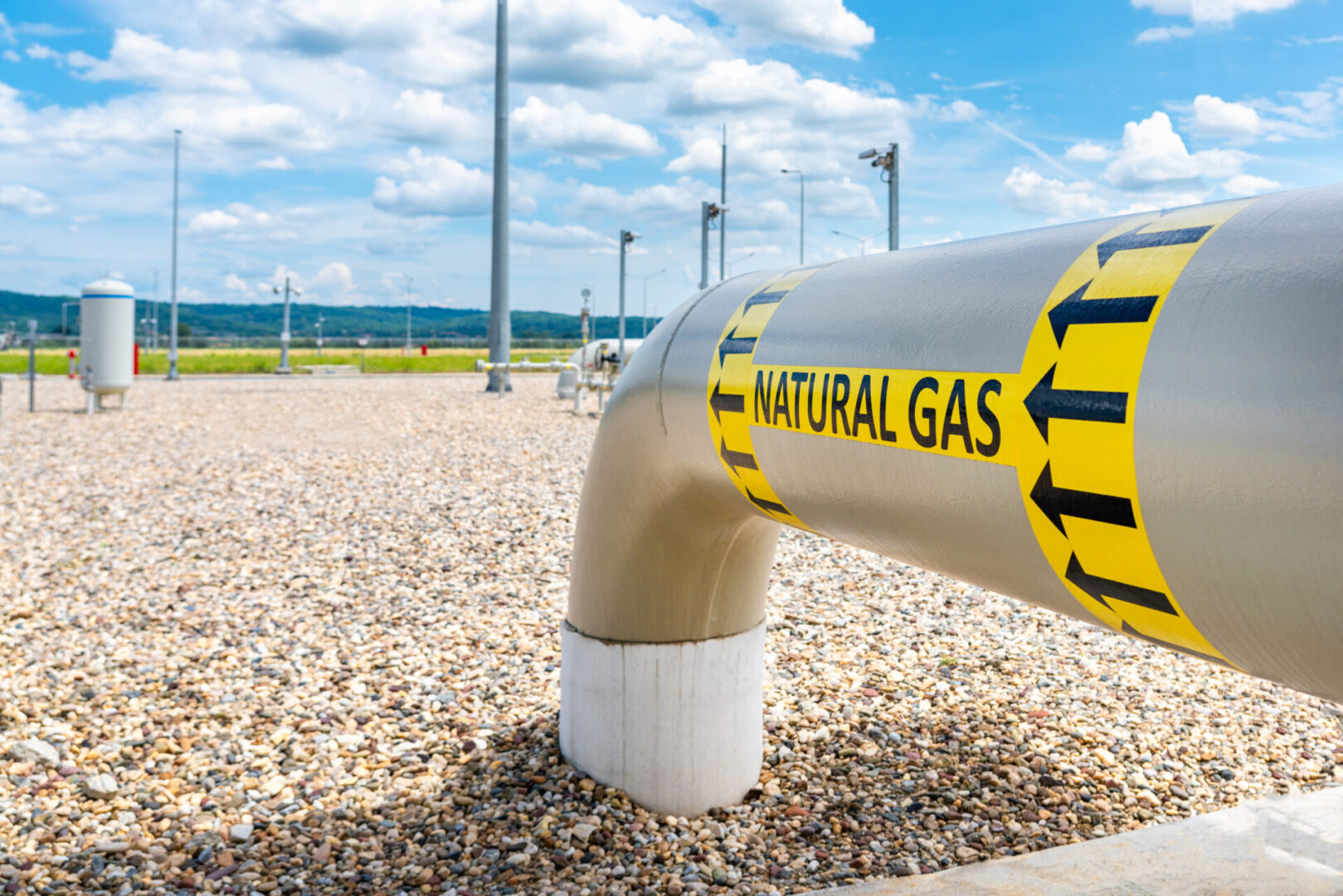
Mitigating Odor Fade in New Pipelines: Strategies and Solutions
Ensuring Consistent Odorization for Safety and Compliance in Pipeline Operations The issue of odor fade is one of the key challenges encountered by the operators…
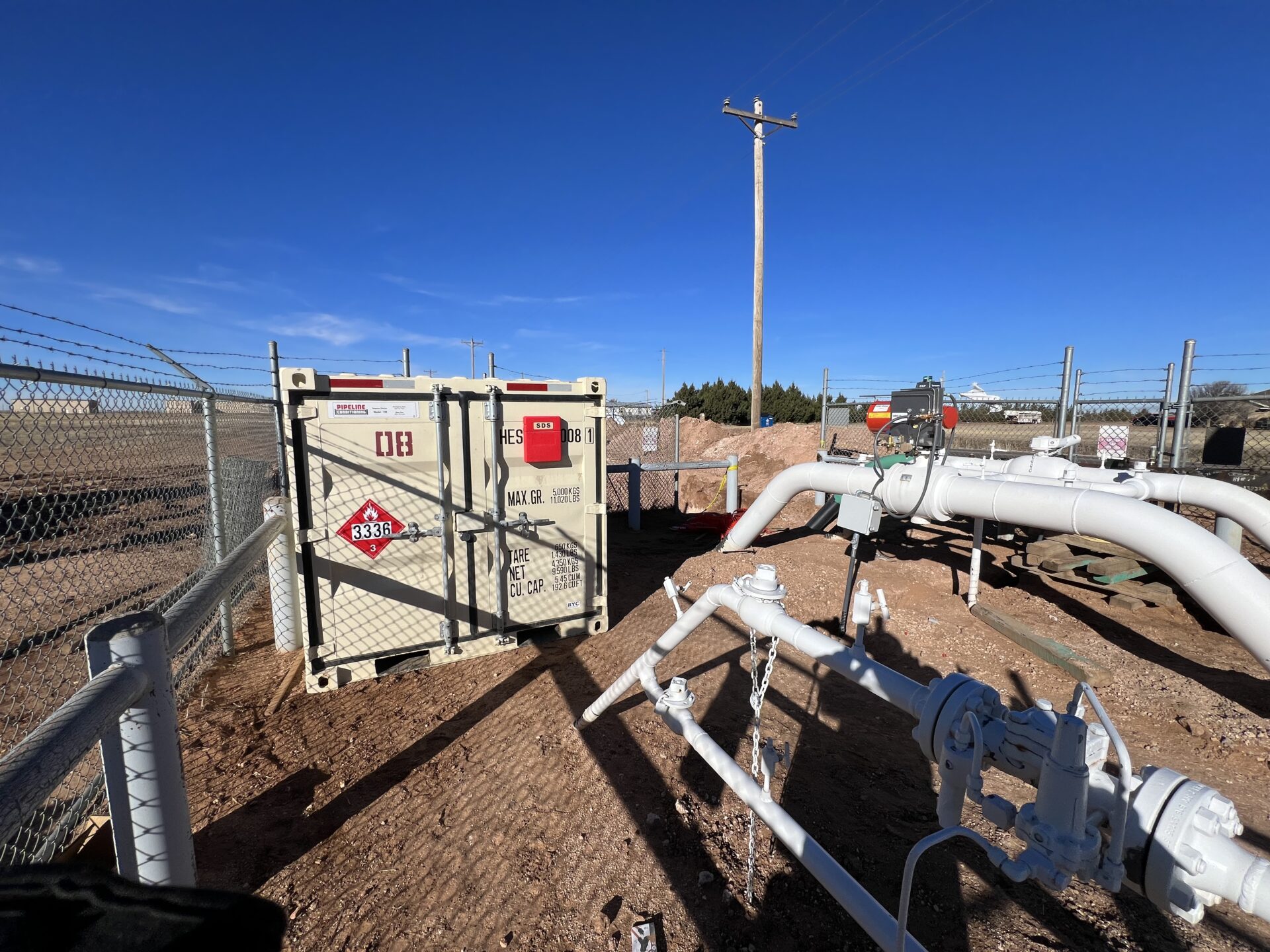
Under vs. Over Odorization: Striking the Right Balance
Finding the Sweet Spot for Safe and Efficient Gas Pipeline Operations Odorization is essential for the safety of natural gas pipelines, ensuring that leaks are…
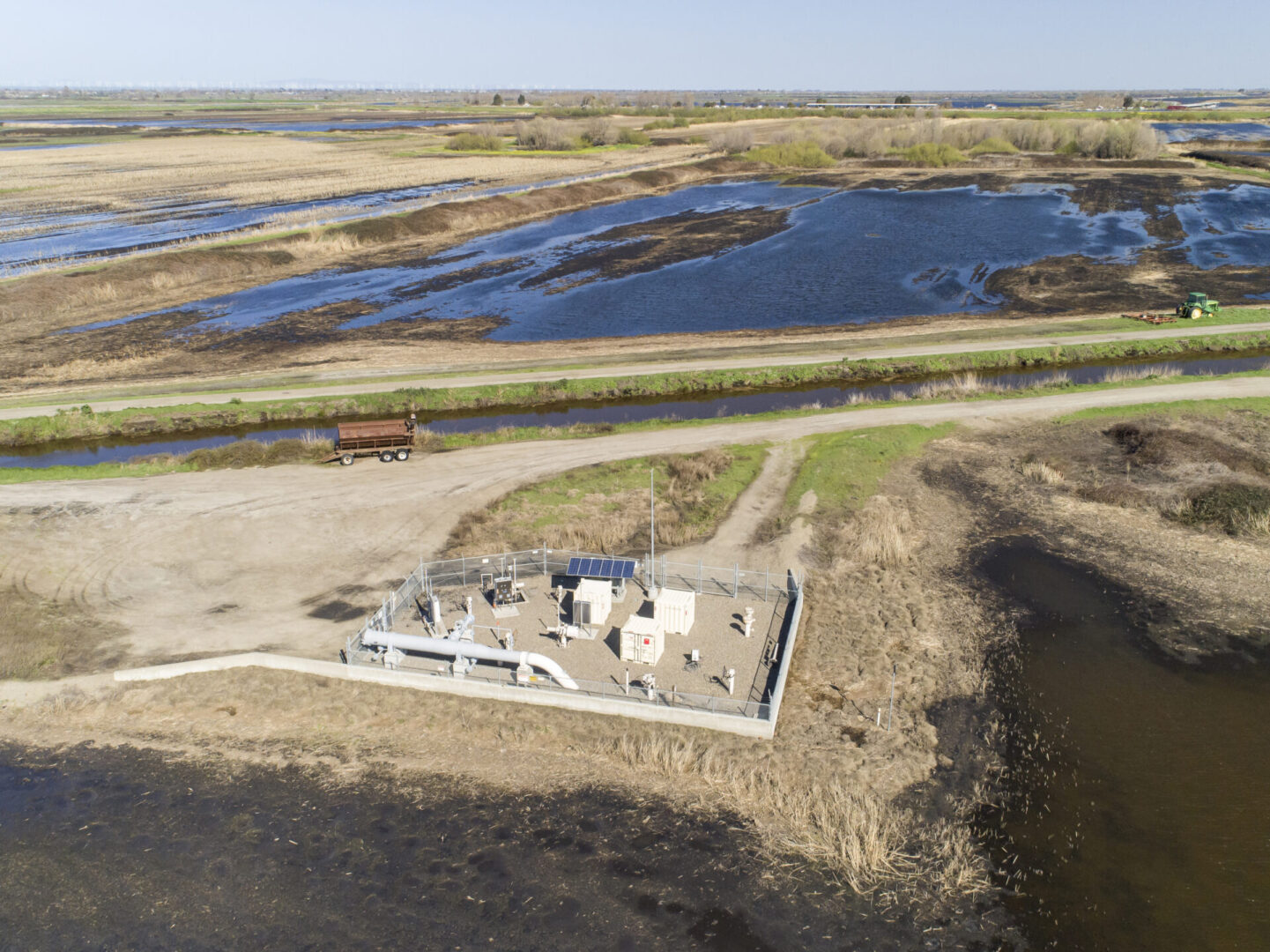
Protecting the Environment: Pipeline Conditioning’s Role in Safeguarding Bird Sanctuaries and Wetlands
Balancing Pipeline Safety with Environmental Stewardship in Sensitive Ecosystems Environmental protection is more than just a buzzword—it’s a critical responsibility, especially in industries like natural…
Natural Gas Odorization: From Tragedy to Safety Revolution
Natural gas odorization became mandatory after the devastating 1937 New London school explosion killed 300 people. Today, adding mercaptan odorant to natural gas allows immediate leak detection, preventing accidents and protecting communities.
Decommissioning an Odorization Station: Best Practices for a Smooth Transition
Ensuring Safety and Efficiency When Retiring Critical Infrastructure Odorization stations play a crucial role in the safety of natural gas by adding an odorant that…

How to Safely Transport Odorant: Compliance and Risk Mitigation
Ensuring Secure and Compliant Odorant Transportation for Maximum Safety Transporting gas odorants, like mercaptan, is a vital undertaking in the natural gas industry. It is…
- « Previous
- 1
- 2
- 3
- Next »