

Job Safety Best Practices: Staying Safe in Extreme Heat
As temperatures climb, so does the risk of heat-related illness on pipeline projects. Whether you’re operating a valve trailer in West Texas or overseeing a conditioning setup in the Southeast, extreme heat puts every crew at risk.
And the truth is, most heat-related incidents are preventable.
At Pipeline Conditioning, we build safety into everything we do. That means more than PPE and tailgate meetings – It means preparing for conditions before they become a problem. Here’s how we do it, and how you can too.
Recognize the Early Signs of Heat Stress
Heat illness doesn’t always announce itself. Sometimes it starts with small signs that are easy to ignore, until it’s too late.
Here’s what every crew member should know to look for:
- Dry, hot skin after heavy sweating
- Dizziness, fatigue, or confusion
- Nausea or vomiting
- Muscle cramps or weakness
- Headache or rapid pulse
If you notice these symptoms in yourself or a coworker, stop, get to shade, and call for help. Time matters.
Hydration is Non-Negotiable
Waiting until you’re thirsty means you’re already behind. Our crews follow a simple rule: hydrate early and often.
- Drink 16–32 oz of water per hour in high heat
- Avoid energy drinks, soda, and alcohol
- Use electrolyte drinks if sweating heavily
We keep coolers stocked and accessible at every job site, no exceptions.
Shade Breaks & Buddy Systems Save Lives
Even short breaks from the sun can make the difference between finishing a job and ending up in the hospital.
What we recommend:
- Rotate crews every 45–60 minutes during peak sun
- Use shade canopies or vehicle A/C if needed
- Never work alone; a buddy can catch symptoms you might not notice
Leadership Sets the Tone
Heat safety isn’t just a field issue. Supervisors and project leads must:
- Adjust shift schedules around peak heat when possible
- Remind crews to hydrate during toolbox talks
- Empower employees to stop work if conditions feel unsafe
If safety isn’t prioritized at the top, it won’t be taken seriously in the field.
How PC Approaches Heat Safety
At Pipeline Conditioning, we don’t leave safety up to chance:
- All trailers are equipped with fans, shade, and water
- Our engineers receive heat illness awareness training
- We encourage stop-work authority at every level of the crew
We’ve worked everywhere from the Mojave Desert to the Gulf Coast. And we’ve done it safely, because we plan for the conditions, not just the job.

Regulatory Compliance in Pipeline Odorization: What Operators Need to Know
Understanding and Meeting Regulatory Standards to Ensure Safe and Effective Pipeline Odorization In the natural gas industry, safety comes first, and odorization is a significant…
What Sets Pipeline Conditioning Apart from the Competition?
Industry-Leading Expertise, Precision Solutions, and an Unwavering Commitment to Safety and Excellence When it comes to odorization and pipeline safety, Pipeline Conditioning is unapologetically the…
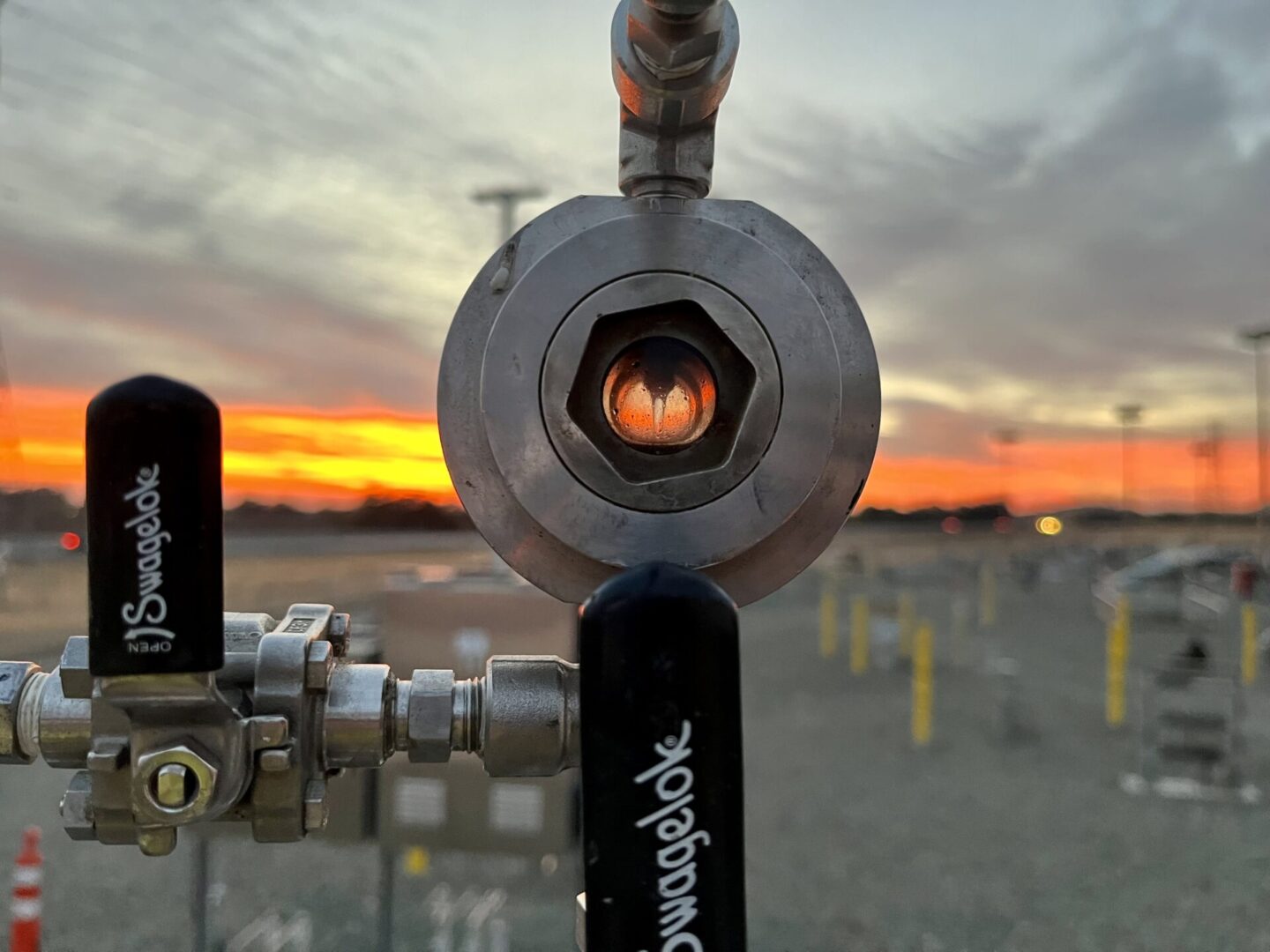
Natural Gas Odorization 101: Understanding the Basics
A beginner’s guide to understanding the essentials of pipeline odorization. Let’s face it: safety is paramount when thinking about natural gas. A great method to…
- « Previous
- 1
- 2
- 3