

Steel vs. PE Pipes: Evaluating Costs and Material Selection for Natural Gas Pipelines
Selecting the appropriate material for natural gas pipelines is a critical decision that impacts both initial investment and long-term operational efficiency. Steel and polyethylene (PE) pipes are two prevalent choices, each offering distinct advantages. While PE pipes are often lauded for their flexibility and corrosion resistance, it’s essential to consider the comprehensive cost implications associated with each material.
Initial Material and Installation Costs
PE is typically lighter and more flexible than steel; this creates the opportunity for transportation and installation to be done at a reduced cost. Being easy to handle means less manpower heading to the site, and the installation does not require heavy machinery. However, the material cost of PE pipes can be higher than that of steel pipes, especially when considering high-density polyethylene (HDPE), which is more on par with steel for more demanding applications.
Long-Term Maintenance and Durability
Steel pipes are widely known for their toughness and durability, particularly in high-pressure environments. Steel pipelines, provided they are well maintained, may last more than 100 years. On the opposite end, PE pipes are inherently resistant to corrosion and scaling, potentially reducing maintenance requirements. Yet, PE pipes are more vulnerable to mechanical damage and UV fading; both factors can influence the lifespan and the cost of maintenance over time.
Energy Efficiency Considerations
The internal surface roughness of pipe materials significantly impacts friction loss and, therefore, the energy required for fluid transport. HDPE pipes feature a very smooth inner surface, resulting in lower friction loss during fluid flow compared to carbon steel pipes, which have a rougher interior. This reduced friction in HDPE systems can lead to improved energy efficiency, particularly in applications where maintaining pressure is critical.
Final Thoughts
At Pipeline Conditioning, we understand that each pipeline project has unique requirements. Our expertise includes conditioning (pickling) services for both steel and PE pipelines which ensures the optimal functionality and compliance with the standards of the respective industries. Whether you are looking to use steel for its strength or PE for its flexibility, our team is ready to assist you with the pipeline needs in the most appropriate way.

Regulatory Compliance in Pipeline Odorization: What Operators Need to Know
Understanding and Meeting Regulatory Standards to Ensure Safe and Effective Pipeline Odorization In the natural gas industry, safety comes first, and odorization is a significant…
What Sets Pipeline Conditioning Apart from the Competition?
Industry-Leading Expertise, Precision Solutions, and an Unwavering Commitment to Safety and Excellence When it comes to odorization and pipeline safety, Pipeline Conditioning is unapologetically the…
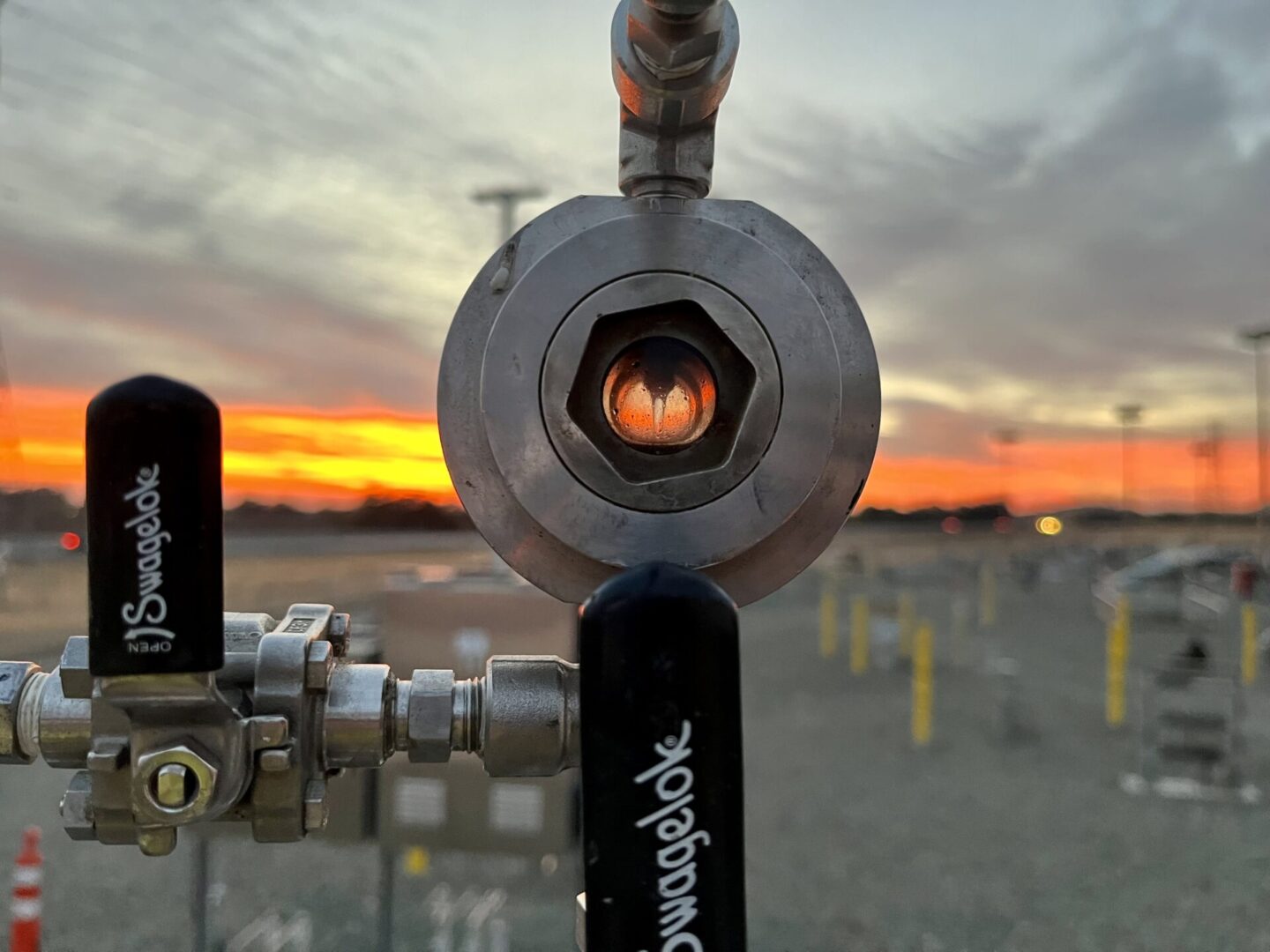
Natural Gas Odorization 101: Understanding the Basics
A beginner’s guide to understanding the essentials of pipeline odorization. Let’s face it: safety is paramount when thinking about natural gas. A great method to…
- « Previous
- 1
- 2
- 3